
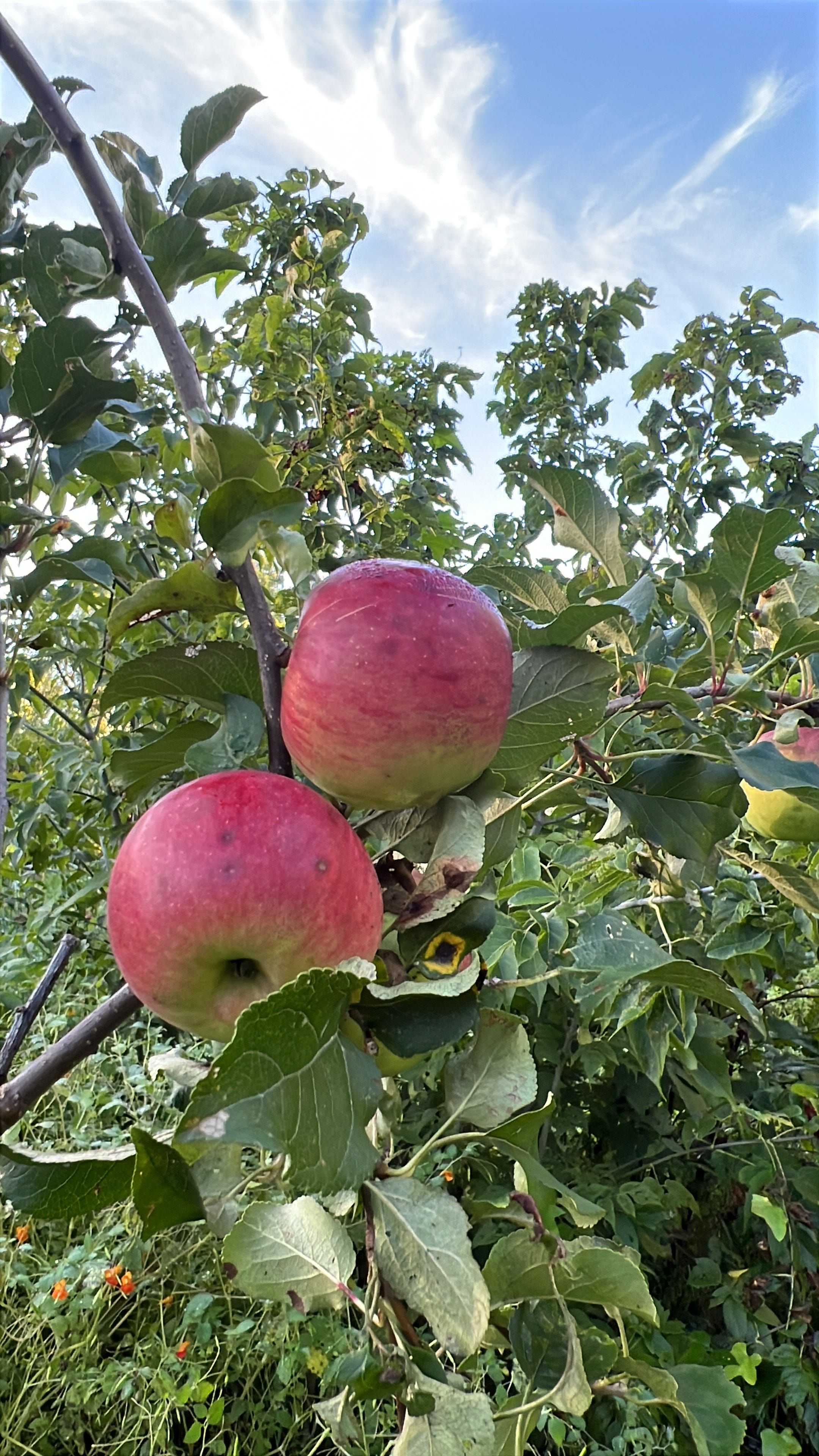
This article is based on forty years experience of food preservation and all that surrounds it including the motivation to do it. As with growing your own food, wanting to preserve enough that we can eat well from the garden year-round has its own challenges.
As a gardener and homesteader, unless you are blessed with good land or gardens that have been enhanced over many years, the first challenge is to grow and harvest enough food. How much food depends on lots of factors but for countless health, ethical and environmental reasons I try to grow enough fruit, vegetables and grain to feed my family for the year. After gardening for about forty years and watching countless other homesteaders try to grow their own food I can say with certainty that this dream is not easily achieved, for anyone, using any method. As a newbie gardener you might think you can just throw huge amounts of amendments and mulch at a garden space to make it fertile, but no. Or that you can throw any old type of seed you want and it will grow well, but no. That isn’t how it works, soil is a culture, and the garden is an extension of that ecology. So when the soil is healthy the plants that grow from it will be healthy. The catch is you can’t just make culture over night or even in a year. It’s an organic process that comes together over many years as an extension of the earth’s ecology. If you add too much too quickly you’ll generate huge imbalances in the garden which results in huge numbers of pathogens, predatory bugs, rodents and ‘weeds’ that arrive to help balance things. There’s also a learning curve with each plant that you’re growing. All that is to say that realistically it’s probably about a five to ten year journey to have productive gardens and orchards. And then comes the challenge of what to do with all the produce? And the challenge of eating, gifting, trading or selling it all!


The lovely and scary thing about orchards is that they keep getting bigger for about 40 years. So, theoretically every year you have more fruit to harvest and process. It’s kinda like with raising kids, you’re weaned into each level of responsibility and the care needed as they grow. In both cases our physical and emotional capacity to handle the work load also grows. The reality with both is it’s not really a gradual increase so much as hills and valleys that are generally rising up toward a peak time, and then the work load levels off or diminishes in the case of children.
Following that metaphor of climbing foot hills, this year I’m climbing a mountain! For a couple months I feel like I’ve been caught juggling pears and tomatoes. Not juggling three, juggling three thousand. The game is to keep these piles and bushels of bright gems from rotting, and to get as many as I can of them preserved. The process is like slow motion juggling, where at least once a week I ‘roll through’ every bushel or flat of fruit and pull out whats ripe to process and whats rotting for compost. Even the ‘bad’ ones are of value though, there’s no waste on the farm, compost is chicken food, and its the perfect time of year to plump up the birds before harvest with that sweet nutritious fruit. Good for everyone.
Sounds simple right, how much time could that take? It is simple and in some ways is very low stress work, because I know what I have to do everyday and there are no surprises or unexpected turns. But when you’re looking at processing a dozen or so bushels of Tomatoes and pears, not to mention a few bushels of plums and apples and grapes, the truth is it takes huge amounts of hand work, time and energy. This is the kind of work that was traditionally done mostly by women and children in groups. And in earlier times for Europeans or for First Nations people the whole tribe or community would come together to process corn or fruit or nuts. As everyone would come together at other bountiful hunting and fishing times of year. The work of processing is not hard to do, so it’s easy in a group to chat and focus on other things while your hands keep moving. On an abundant year like this one I feel the need to point out it was done in groups not just out of preference but physical and psychological necessity! Because with so much to do all day every day the tedium and stress will drive you crazy. It feels like you’re under an avalanche when you can’t juggle fast enough and start loosing fruit. Fridges and cool storage can slow things down but time still marches on toward ripe fruit rotting.


In case you’re wondering how much time it actually takes me to put away enough fruit and veg for the winter? Well, it’s what might be considered part time work. I’ve got many other things I need to do in the day and I need to take breaks and do other things some days, so on average I probably give the bushels about 4 hours a day, 5 days a week, for about two months. The work load builds in September and drops off the end of October. Some of the end product is sold as dehydrated pears and tomatoes, or green onions in gomasio (a herbal salt).
The end products of the work range from more labour intensive processes, like dehydrated (pears tomatoes and apples); through to canned sauce and fruit leather; to freshly ground and pressed juice (frozen or ferment it into ciders and wines). Each day I generate a random number of products with fruit that are hand selected because its teetering at it’s peak ripeness and nutrition, on the crest of rotting. Most days I load the my homemade solar dehydrator (about double the size and uses half the energy of the biggest electric dehydrator money can buy) which generates about a pound, (from about two hours of work finding and cutting up ripe fruit). You get more dried poundage from apples and pears than from tomatoes because they’re so watery.


The following is a breakdown of how we store food. In over forty years of preserving food I’ve come to these practices based on the quality of the stored goods, the environmental cost and the amount of technology that it is dependent on.
Dehydrating for storing fruit, veg, meat is perhaps the oldest method of food preservation. Even dairy is dehydrated and fermented into butter and cheese for longer term use. When things are dry their decay is frozen. Water brings life and death. Taste and texture can still disintegrate, as it does in the freezer, but much more slowly. Remember that bugs and rodents sensing the food value love to get into these stores and can ruin them. With dehydrated fruit and veg they ideally can be stored in a vacuum bag or jar for longer storage times of many years.
Freezing things is very tempting because it’s easy. The downside of freezing is its very high input and reliant on technologies that we often have no control over. Even if you’re off grid with a home solar powered systems, they too have problems and parts that regularly need replacing like batteries. So you are essentially betting everything on the hope that the electrical flow and or the manufacturing of the systems parts will continue. One year we had a big chest freezer unplugged for several days before we noticed. We lost huge amounts of what was in there and had to scramble to process or cook the rest. This accident showed us how dependent and vulnerable we are on the freezers. We went a couple years without using them much and then re-surrendered because they are so useful, especially for preserving fresh food. So we went back to freezing fewer things and with the plug wired in and back up generators.


Many of the larger fruit and veg that don’t self preserve in cold storage, like tomatoes and zucchinis, green onions are easy to process so we prefer to use the freezers for things like small fruit, blanched greens, green beans, snap peas, broccoli and cauliflower, meat, fish. With something like tomatoes, you’re going to cook the frozen fruit anyway so canning it up is saving time and freezer space and bringing you one step closer to having a finished meal with tomato sauce.
Freeze-drying can make some amazing quality products that are stable for a very long time. And as with dehydrating uses up small amounts of space for storage. However, I don’t use a freeze-drier because of the high dependence on the tech and energy use. And I don’t feel I need to preserve things for five years. I’m not prepping for the end of the world, just looking to store enough to take me through to the next year’s harvest. And sometimes to have an extra year’s worth when the percentage of crop failure is high.
Canning is old school and seems to be frowned upon by many new homesteaders. Maybe because the technology seems antiquated or intimidating, or because the food is so throughly cooked? But if you’ve tried everything over many years like I have you figure out that canning is one of the most efficient, environmentally sound, low tech ways to store food. Yes a lot of weight and space is used for storage but it’s worth it because it’s highly stable pre-cooked food. The jars can be reused indefinitely. Which is to say for decades.There is a small dependance on getting new lids. Even Gem jars with the glass tops and a flip type seal needs new rubber rings once in a while. But in a pinch you can use wax to seal and top the jars. Mostly we can tomatoes, fruit sauces, jellies, and bone stock. We use a pressure canner for energy efficiency and so we don’t lose any jars!
We have two-three hundred litre jars in use. We actually need more than that but the bulk of our use comes twice a year at opposite ends. The first mass use of jars happens in April with the Maple syrup season. And the second is this time of year, in the fall. It works great that way because you’ve freed up half the jars by the time the next high demand time hits.
Fermenting is also a very ancient and natural way of preserving food. The magic of it is that the food is alive and being digested by bacteria or yeast that is so dominant in the ecology of the decaying food that no significant amount of harmful bacterias or fungi can take hold. In terms of fruit and veg we ferment beans into miso with koji. As well as cabbage and other brassicas into kimchi and sauerkraut using just salt. We also lacto-ferment many veg like picking cucumbers in a salt water brine. We use vinegar for picking if we want a more stable preserve.
Cold storage or Root Cellaring is perhaps the most natural of all, mimicking of seasonal dormancy in the ground. We store Potatoes, turnips, beets, carrots and sometimes other roots like parsnips and burdock. We just pile unwashed Potatoes in a dark cool corner of the cellar and they keep perfectly till June. Cabbages can also just be piled. I put them on a pallet because the ones against the ground on the bottom of the pile sometimes rot. Everything else we like to keep unwashed in cedar boxes of damp sand, with hardware cloth tops and bottoms for more air and to keep out vermin. We store all these the same way by cutting the tops off the veg and lay them side by side in horizontal layers, covering with the damp sand as you go. This is the best method because it keeps the roots moist, just like in the ground. And if a root rots the nastiness is contained by the sand and doesn’t spread or cover other roots.
We also cold store apples and pears. It’s important to keep these fruits in a separate space. Small amounts or most simply kept in the fridge.
But for larger amounts or if you’d rather not use electricity to store stuff (like myself) then there are way to do it. Fruit needs to be kept separate from the other vegetables for two reasons. First is they release a ripening gas (ethylene) that makes others things ripen and rot quicker. The other reason to keep fruit separate is it needs to be really cold. Our root cellar is cool, but not cold enough for fruit, about 55 degrees, 12 C. By mid winter when the ground is frozen outside the root cellar is closer to 50 degrees F or about 10C. That’s closer but by then the fruit will be getting a little dried up. All the roots are fine at that ambient earth temperature but not the apples and pears. They need colder storage, below 40F or 5 C. I can do this without any technology, just by letting the outside air that’s freezing in at night and closing the vents off during the day. The fruit storage space needs to be vented from outside with 4” pipes down into the insulated space at its floor level. There needs to be another 4’ pipe at the top of the fruit space for warmer air and gases to vent out. And you need a pallet or something to keep the fruit off the earth or concrete floor.
Storing in Honey (or sugar) and oil (or fat) are both common traditional methods for preservation. The medium of fat or sugar creates an anaerobic environment for the food and a hostile environment for pathogens.
We make Jams and Jellies mostly using honey. We do herbal medicines in honey like coltsfoot flower and elecampane root.
And we use oil to store roasted peppers and garlic. They can be stored in a cool space or for many months in the fridge. There are a lot of cautions about doing this with Garlic, but I’ve been doing it for about 40 years and not once had a problem. Use good organic garlic and make sure the bulbs are well cleaned and cooked. If the garlic has to much water in it when it goes into the oil the preserve can go off.
The amount we can grow should be tied directly to what we can process. And processing should be directly tied to how much we can eat or use. Which is to say if my kids aren’t going to eat squash or pears or potatoes there isn’t much sense in growing and processing tons of it. While the land’s capacity to produce changes over time and from year to year with the weather so too will your needs and the market place. This is good to keep in mind these are all moving parts of a bigger ecology, including the economy. The garden and what it’s connected to is not some kind of static system or machine for making food. It’s meant to be dynamic like the ecology and so you have to keep an eye out for changes in all directions.
For example, Potatoes have always been a mainstay for our family, and for many years I was growing what we ate plus the seed potatoes for the next year. About four or five bushels a year. Last spring I dumped out about two unused bushels of wrinkly sprouting potatoes from the cold storage because of my families shifting eating habits. If I wasn’t paying attention to this I would be kinda wasting my time and the garden space growing too many potatoes again. A number of years ago I was growing and selling a couple thousand garlic a year locally through our co-op. I was one of two or three people in the area growing garlic. Then several other bigger growers started selling through the coop and I lost most of my sales. That year 600 garlic heads dried up in the attic because I couldn’t sell them. So I simply cut what I was growing in half the next year. I liked the money from the garlic sales but we have great diversity of things we offer and so are not dependent on it. That means it not a lot of stress to let things go, they don’t “have to happen”.
A final thought or two about using what we grow. From living as a forager for several years before I became a gardener I have always had an extreme reverence for what comes off the land. I was religiously attached to using everything out of the garden when I lived and grew alone. But over decades of generating such abundance and becoming part of larger ecologies, the family, farm and community, I’m not so worried now about ‘waste’. As I said even the compost is food for the chickens, or is transformed into better soil for the gardens. Having said that I still think we should have some discipline about eating what we grow. Yes in February it’s hard to eat a wrinkly apple when you can get a fresh juicy one from the other side of the planet in your local the grocery store. But should there not be ethical and environmental considerations which make that wrinkly one more appealing again? Don’t we owe it to the apple and the tree and the land to eat this treasure? And haven’t we accumulated enough debt to the earth for our decadent choices? Is this discipline of working with the Earth and using what the land provides for us not a route to reverence and preservation? Maybe just a little extra time to peel or cook or spice that wrinkly fruit will enable the circle of fulfilment to complete itself, from the garden to your body.
Thanks for generously sharing all these lessons you have learned over the years! Constantly adapting to who you are feeding is so very important. I stopped growing squash because my kids aren't big fans and am growing more potatoes and sweet potatoes now. Wishing you ease as you enter the preservation home stretch!
What an incredible school this is! Jam-packed with learning about gardening, foraging, preserving, and homesteading. Not to mention the sacred ceremonies and wonderful mentorship by Steven Martyn, one of Canada’s foremost experts on all things herbal and nutritious. Going through the School program - not once but twice - brought new meaning into my life. I remain forever grateful