
Sometimes we only grasp the importance of a place or person as it or they disappear over the horizon in time. On larger scales, nations make parks and environmental designations just as that place or thing is being lost or on the verge of it. On a smaller scale we personally do this by romanticizing places and people. We make micro replicas or symbols of them or it to be connected, even though the actual thing is long gone. I feel something like that nostalgia about many older phrases that seem to be heading out over the hill with me. The sad part for me isn’t the loss to language itself, it’s that with the words there are vast amounts of earth-connections and cultural knowledge being lost. These phrases are disappearing in part because they are attached to a bigger understandings of the land and our psyche in a way that is less and less commonly understood. Because people’s actual experience of wild untamed nature, without technological mitigation for our so called safety and comfort, is almost non-existent. So there is no way to glean these deeper teachings of the earth and sea gods. When I was nineteen and I chose to live for four years alone in a very ‘primitive’ way in the wild I didn’t fully realize what I was doing. I was just doing what felt best to me. I knew what I was running away from but not what I was running toward. Without really understanding it I was rubbing shoulders with the old ones and with the old ways, with the gods that birthed humanity from the Earth and gave us culture. And I did it long enough to be reformed and informed by them for life.
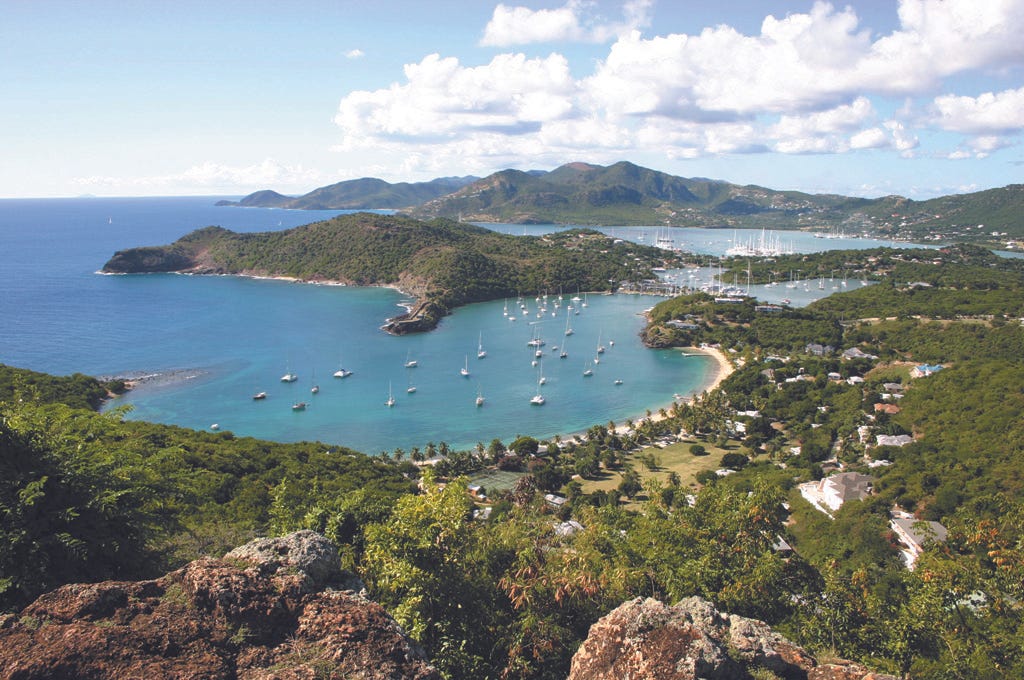
One of these old gem phrases that I don’t hear anymore that was once in common use is “don’t harbour resentment”. The word harbour was also applied more broadly to any other negative thoughts or feelings, yet can be equally applied to positive thoughts and feelings. Something about this ancient metaphor that obviously came from sea faring people, is so subtle and profoundly informed it calls me to draw attention to it. What the phrase connotes and denotes about the nature of thoughts and feelings seems to have been lost to us. Our human (perhaps interspecies) collective of thoughts and feelings is like the sea. We might think we are the only ones feeling or thinking something and that we are separate, but this is an illusion. Something closer to the truth that still recognizes our individuality is to think of ourselves as a harbour. That we are just another part of this collective formed through streams that came together from the same land base as everyone else’s harbour. And whose life and actions move out from us and our harbour as a wake back out to sea and broader ecology.
To say you are harbouring something is to acknowledge this deeper truth about our individuality. What’s also implied is that we as an individual hold some say or control over our harbour of emotion and thought. Yet the sea is vast and full of unknown things beyond our control and we must also remember our harbour is made of this same unknown sea. When we speak of a harbour we are speaking about an intermediary space between the wildness of the sea and the domestic order of the ego. So essentially the harbour is a small part of the sea over which we can have some domain.
Historically, harbours were first chosen as living sites because of the abundance of life there. For ourselves and other living beings harbours form a micro climate, a natural shelter from the extremes of the ocean and weather. Later in our history when the time of war came these same abundant sheltered bays were ideal defensive locations, like a hill top. Which is why many cities and towns still are located in harbours or hill tops. Often we set up towers or fortifications at the narrowest part of the passage into the harbour as a means for controlling who could pass through.
Now think again about the harbour metaphor in terms of thoughts and feelings. We cannot completely control our thoughts or our feelings, they are like small fish that can pass in and out of our harbour. But fish that stay in the harbour benefit from its environment and get bigger. Our thoughts and feelings grow when they are ‘harboured’. When they get big or multiply, as thoughts tend to do, they become easy to see and ‘net’. The harbour itself becomes the trap. What comes in to predate becomes prey. So when enemies or predators start to thrive in the harbour we can catch them or drive them out. In our harbour we can foster relationships with good feeling and thoughts, co-creating a thriving aquaculture that can sustain us and is good for the ecology. Our harbour can also be a safe haven for friends to moor their boats there. From which grows more security and collective wealth. Or if they are destructive pirates we can drive them out.
When we harbour resentments it’s like having a rat infested pirate vessel moored in your bay. It’s only going to make trouble down the line and spread its negativity to your friendly visitors. We are not meant to just sit idly by while our harbours are taken over by ratty old feelings and thoughts! Stand up, recognize these intruders for who they are and throw rocks and spears at them until they leave the harbour. Then wave and wish them well on their way. If they come back, it’s rocks and spears right away, don’t let them in.
There’s also an ecological warning connoted by the idea of a controlled harbour. Our harbour as our bay of consciousness. They and we have to remain open to thrive. If we try closing off that big scary outside environment, and completely controlling the flow into the harbour to protect ourselves or make it more safe, it becomes stagnant and fills with stinky algae and seaweed. Conversely if the harbour is too open there is no control, then precious life there can be overwhelmed and washed away.
So... in this time, when we are being inundated with worries and thoughts about situations beyond our control we need to remember that we don’t have to foster the bad news and let it into our harbour. I’m not talking about completely ignoring the storms of change, but realizing those things are happening out in the big wide ocean and that our knitting nets in the harbour are not going to help stop the storm one bit. In these times we must do everything we can to bring peace to our life, to our harbour.
Become a paid subscriber to access Steven’s reading of this post.
Listen to Steven’s reading of Harbouring